
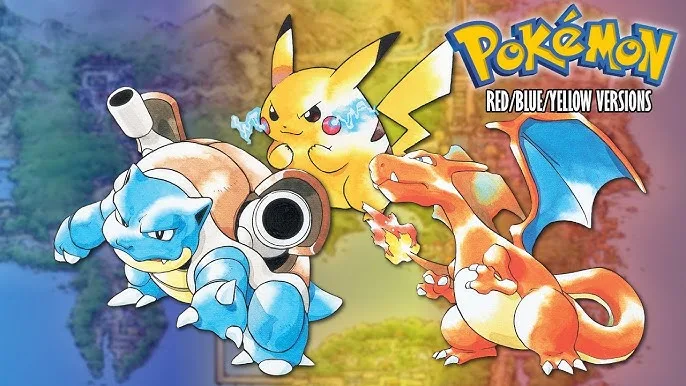
Released as a special edition after Pokémon Red and Blue, Pokémon Yellow: Special Pikachu Edition brought a host of improvements that blended the charm of the anime with meaningful gameplay upgrades. From visual overhauls to quality-of-life changes and clever mechanics that laid the foundation for future games, Yellow wasn’t just a cosmetic reskin — it was a refined and thoughtful reimagining of the original Pokémon experience. Here’s a look at ten of the most impactful changes that set Pokémon Yellow apart.
- Play Pokémon Red on your Android device with a simple APK.
- Play Pokémon Blue on your Android device with a simple APK.
- Play Pokémon Yellow on your Android device with a simple APK.
1. New Pokémon Sprites Gave the Game a Visual Refresh

One of the first things fans noticed was the revamped appearance of Pokémon during battles. The front-facing sprites were significantly updated from the crude, less-detailed versions seen in Red and Blue. These new designs offered better proportions and more closely mirrored how Pokémon looked in the anime, making every encounter more visually engaging.
2. Getting All Three Starters Made the Journey More Rewarding

In a major shift from the original games, Yellow let players acquire Bulbasaur, Charmander, and Squirtle over the course of their journey. This change not only referenced Ash’s story in the anime, where he befriends all three, but it also empowered players with a balanced and powerful team early on — a rare and exciting opportunity in any Pokémon title.
3. Pokémon Move Sets Were Adjusted for Better Game Balance

Yellow made deliberate tweaks to which moves certain Pokémon could learn. These adjustments improved the pacing of battles and made some Pokémon more viable. For instance, Pikachu learned Thunderbolt earlier than in previous games, making it a stronger contender in battle. These edits made gameplay feel more logical and enjoyable.
4. The Cable Club Introduced a New Multiplayer Battle Experience

Multiplayer functionality was taken up a notch with the introduction of the Colosseum 2 mode in the Cable Club. This feature expanded on standard link battles, offering more structured competitive formats and bringing a taste of tournament-style battling to the handheld world of Pokémon.
5. Pikachu Following the Player Set a New Series Standard

Yellow introduced a beloved new feature: your starter Pikachu visibly followed you around the overworld. This mechanic wasn’t just for show — Pikachu’s changing expressions gave feedback on its feelings, hinting at the friendship system that would be formally developed in later games. It also brought more personality to the gameplay and mirrored Ash and Pikachu’s bond in the anime.
6. Early Version of the Friendship System Was Born Here

While not as advanced as in later generations, Yellow included the first iteration of a happiness mechanic. By observing Pikachu’s behavior — whether it smiled, frowned, or turned its back — players could get a feel for how their treatment of it was affecting the Pokémon emotionally. This rudimentary system laid the groundwork for friendship-based evolutions and affection-based features in future titles.
7. In-Game Trade for Machamp Removed a Major Barrier

Yellow allowed players to receive a Machamp through an NPC trade, which was a significant improvement. In Red and Blue, Machoke only evolved into Machamp through trading with another player — something not all fans had access to. This thoughtful change made completing the Pokédex and building strong teams more achievable for solo players.
8. Color Enhancements Made the Game World Pop

Yellow took advantage of the Game Boy Color’s capabilities to offer a fully colored experience. Unlike the monochrome palette of Red and Blue, Pokémon Yellow featured distinct colors for different areas and characters, helping to create a more immersive and aesthetically pleasing environment. The added visual depth made the Kanto region feel more alive than ever.
9. Trainer Teams Used More Strategic and Varied Moves

To raise the difficulty and realism of battles, opposing trainers in Pokémon Yellow were given smarter and more diverse move sets. Instead of generic or redundant attacks, enemies now used strategies that required more thought and planning to overcome. It was a subtle but effective way of increasing engagement for experienced players.
10. Pikachu’s Beach Minigame Was a Lighthearted Bonus

Pokémon Yellow also included a fun little secret: Pikachu’s Beach, a minigame where Pikachu could surf under specific conditions. It didn’t affect the main game, but it was a delightful Easter egg that rewarded exploration and creativity. It also marked one of the series’ earliest forays into side content beyond battles and catching.
Conclusion
Pokémon Yellow was far more than a simple re-release. It bridged the gap between the anime and the games, added meaningful mechanics, and enhanced both the visual and gameplay experiences. By offering all three starters, introducing new systems like friendship, and upgrading graphics and battles, Yellow became a definitive version of the first-generation Pokémon adventure — and a beloved classic that still holds up today.
- Play Pokémon Red on your Android device with a simple APK.
- Play Pokémon Blue on your Android device with a simple APK.
- Play Pokémon Yellow on your Android device with a simple APK.
RELATED ARTICLE :
Ultimate Guide to Cloning Items in Pokémon Red, Blue, and Yellow




 Security verified