
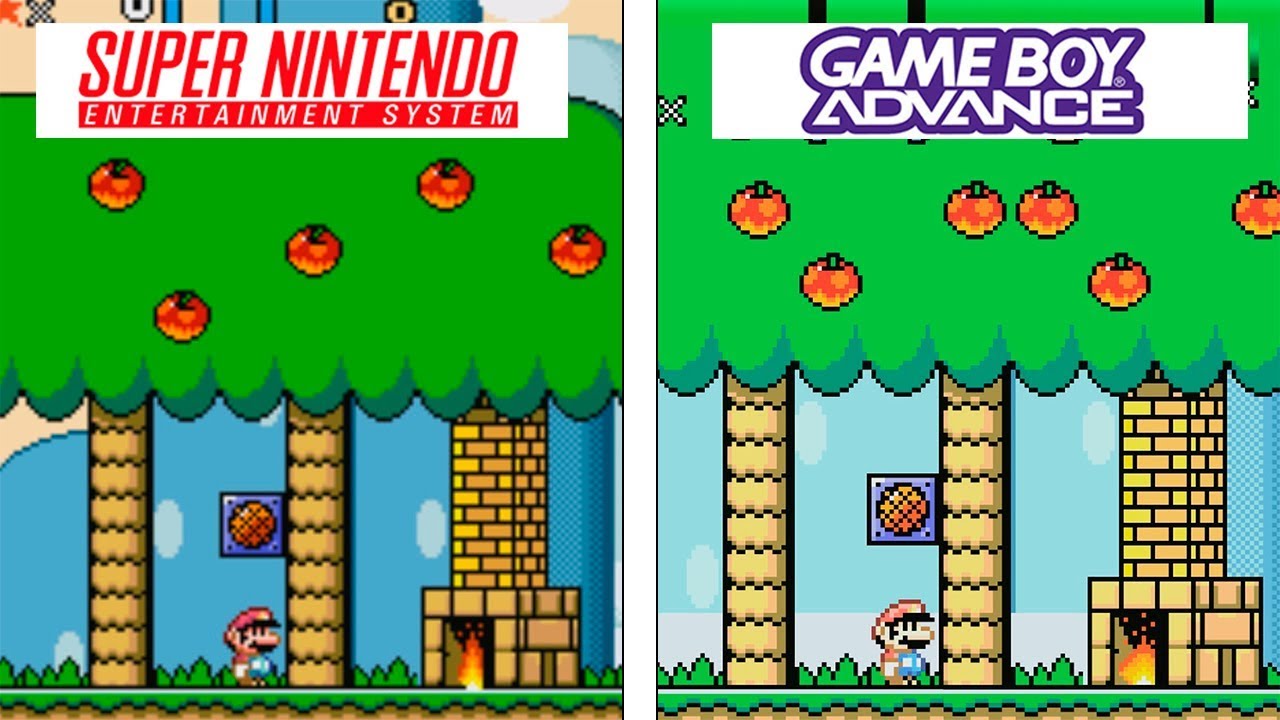
Both consoles are legendary gaming machines. Which one actually feels better on your Android screen today? The answer requires a deep dive into retro portable gaming. I was nine years old back in 1993. I sat cross legged on our green living room carpet. My goal was beating the Tubular level in Super Mario World. That family Super Nintendo challenged my absolute patience. The dreaded P Balloon mechanics drove me absolutely crazy. A decade later I watched my younger brother struggle. His Game Boy Advance screen showed the exact same level. Our parents eventually gave away all our old video game consoles. I spent years wanting to return to Star Road. I had no convenient way to play classic Nintendo titles. The Android port finally let me replay these childhood favorites. It brings both complete retro experiences right to my pocket. I loaded up an emulator on my Galaxy S23 recently. I tested this during my crowded morning train commute. I wanted to see which version holds up better today. Testing the cape spin mechanics in Donut Plains felt surreal. The original console release feels historically heavy and precise. I then switched to the portable handheld edition. The brightened color palette popped on my modern smartphone screen. To understand GBA vs SNES mobile gaming requires perfect timing. You need to feel those platforming physics on a touchscreen. Clearing Star Road during my lunch break felt wildly triumphant. It matched the joy of mastering that heavy television set. I am finally able to weave through those infamous flying Koopas. Bringing this tricky platformer everywhere changes the dynamic completely. You can just close your phone when frustration builds.
Visuals on Modern Screens
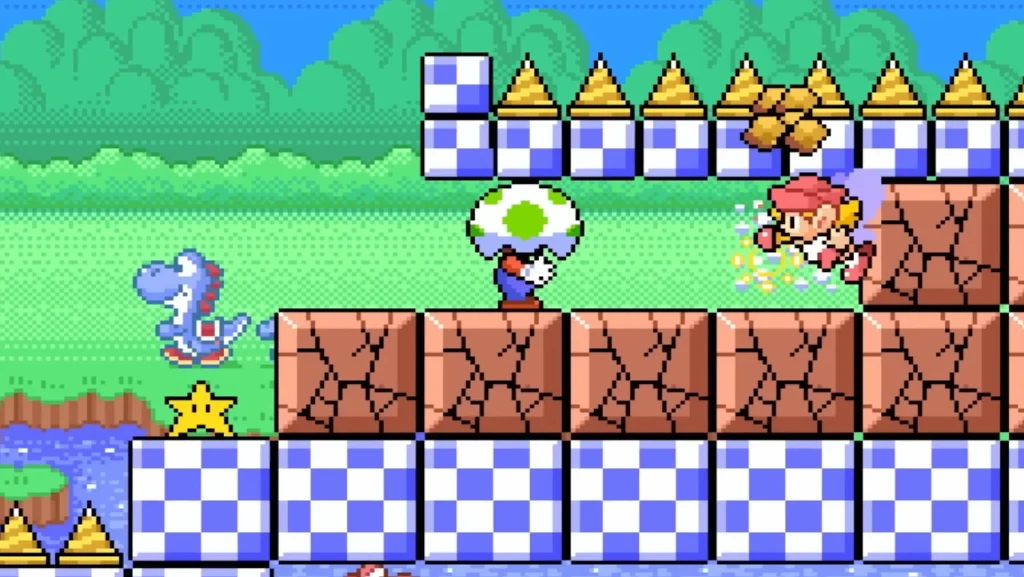
Comparing GBA vs SNES mobile graphics reveals interesting visual tricks. Nostalgia relies heavily on brilliant pixel art. The Super Nintendo pushed boundaries with Mode 7 graphics. Games like F Zero looked incredible on large tube televisions. The portable successor took a completely different visual approach. It used a smaller screen without backlight support originally. Developers faced major challenges translating these massive worlds into pockets. They meticulously redrew many character sprites for visibility.
Pixel Precision Reimagined
Developers brightened portable versions to compensate for dark screens. Super Mario World looks remarkably vibrant on an OLED phone. The original console version keeps its slightly muted aesthetic. Modern smartphones upscale both retro systems beautifully. The portable hardware boasts clearer sprites for smaller screens. The 16 bit console wins on grand atmospheric backgrounds. Donkey Kong Country proves this point perfectly. The television release features deeply shadowed jungle environments. The mobile adaptation washes out those subtle shadows slightly. Bright screens prefer the highly saturated handheld color palettes. Playing outdoors requires high contrast to avoid frustrating glare. Phone screens naturally emulate this portable hardware design philosophy perfectly.
Perfecting Virtual Inputs
Touch controls fundamentally change how we enjoy classic hits. A physical controller offers unmatched tactile feedback. Glass screens require entirely new muscle memory building completely. Action platformers demand extreme precision to survive tricky jumps. Missing a virtual button causes instant digital death. Mega Man X requires rapid shooting and dashing simultaneously. Doing this without physical plastic buttons feels daunting initially. Fighting games suffer tremendously on flat glass screens naturally. Street Fighter requires rolling thumb motions for basic attacks. Doing a fireball motion without a physical directional pad hurts. You constantly slide your thumb too far sideways accidentally. The simpler portable games avoid these complex rotational movements mostly. Kirby Nightmare in Dream Land only asks for basic jumps. Floating over enemies works wonderfully with basic screen taps.
Screen Mapping Strategies
The original gamepad featured six face buttons and triggers. Managing all these inputs on glass feels incredibly clumsy. Overlapping virtual thumbsticks block important on screen action. The portable successor simplified things to just four main buttons. Two face buttons and two shoulder triggers fit smartphones perfectly. My thumbs naturally rest in the perfect position for jumps. The portable layout claims easy victory for casual touchscreen tapping. Castlevania Aria of Sorrow plays like an absolute dream organically. You never stretch your fingers awkwardly across cold glass. Mapping simpler control layouts keeps your screen vision perfectly clear.
Deep Mechanics on the Go
The best GBA vs SNES mobile adaptations respect limited time. Complex gaming systems usually require dedicated playtime at home. Role playing games demand serious emotional investment and strategy. EarthBound captures hundreds of hours of focused television time. We expect shorter gameplay loops from our phone apps. A quick subway ride rarely accommodates deep narrative exposition. Gamers want immediate action when unlocking their mobile devices. Action pacing matters deeply for mobile entertainment enjoyment.
Adapting Role Playing Progression
The portable handheld library focused on bite sized experiences. Wario Land 4 offers brilliant chunked level designs. You can finish one complete stage during a short bus ride. The home console library features epic sprawling adventures instead. Super Metroid expects you to memorize enormous interconnected maps. The handheld philosophy translates better to quick pocket sessions. Portability forces developers to respect your limited free time. Fire Emblem accommodates brief tactical battles during short waiting periods. Saving anywhere became a standard portable feature eventually. Quick saves protect your hard earned progress from sudden interruptions. Phone battery deaths no longer ruin epic boss fight victories. Golden Sun introduced incredible sleep mode features for busy players. Closing the original clamshell hardware paused the intense action instantly. Smartphones replicate this functionality perfectly through app backgrounding features. You can answer a text message during a boss fight. Returning to the emulator resumes the exact frame instantly. Home consoles lacked this amazing quality of life suspension feature. You originally had to locate specific shining save points. Losing power meant losing hours of precious grinding progress permanently.
Auditory Nostalgia on Portable Speakers
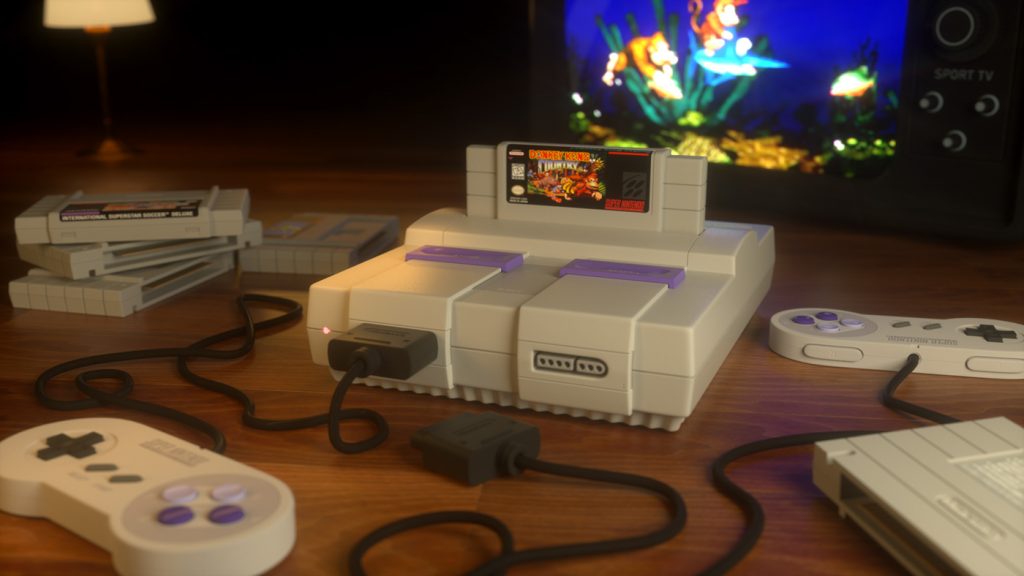
Sound design shapes our fondest classic gaming memories deeply. Yoko Shimomura composed absolute legendary tracks for these early systems. The home console utilized a dedicated Sony audio chip. This hardware produced rich orchestral sounds and deep bass tones. Players marveled at the sweeping classical scores in Final Fantasy.
Compression and Clarity
The portable successor struggled terribly with audio compression issues. Voice samples often sounded remarkably crunchy and distorted. The famous Mario jump effect lost its smooth musical finish. Playing on a modern phone magnifies these audio differences wildly. High quality earbuds expose the heavy handheld sound compression instantly. The older television console dominates the auditory experience completely. Hearing Chrono Trigger themes unchanged brings instant tears of joy. Purists always prefer the uncompressed symphonies of original releases. Playing with sound requires respecting these historical hardware limitations.
The Classic Game Library Battle
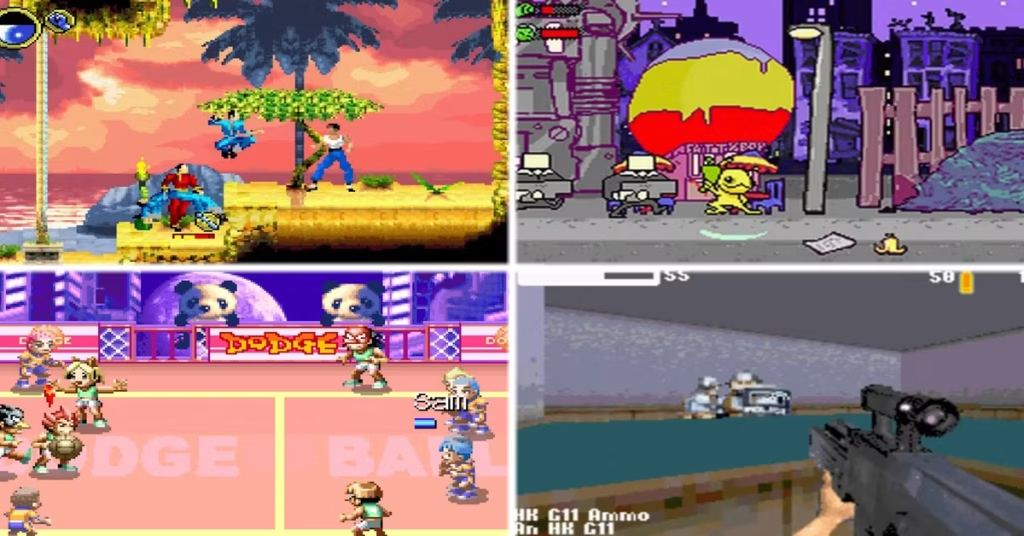
Studying GBA vs SNES mobile histories reveals incredibly massive libraries. Both systems boast some of the greatest titles ever created. The home console defined the 16 bit golden era. The handheld device became a paradise for retro revivals. Huge companies recognize the absolute power of these massive libraries. Even modern platforms study this historical Nintendo Switch sales records phenomenon. Replaying old titles generates massive revenue streams continuously today.
Nostalgia Meets Convenience
The portable system actually includes many upgraded console ports. You get enhanced versions of older classics in one place. Yoshi is visually updated with brand new vocal sound effects. The original console retains the purest authentic audio completely untouched. Players must choose between pristine audio or extra gameplay content. Super Mario Advance added unique collectable Yoshi coins everywhere. Finding these extra items creates excellent mobile replay value. The original television releases offer pure nostalgic simplicity instead. Handheld ports often include completely separate bonus multiplayer modes too. The Legend of Zelda A Link to the Past evolved. The portable release added an entire multiplayer mode called Four Swords. Players received entirely new dungeons and challenges completely for free. The original home release offers a cleaner screen interface though. Portable ports crammed large maps onto tiny viewing areas awkwardly. You scroll the camera much more frequently during intense battles. Blind jumps occur often in fast handheld platforming levels. This creates slight artificial difficulty for veteran classic gamers.
Multiplayer Classics Reborn
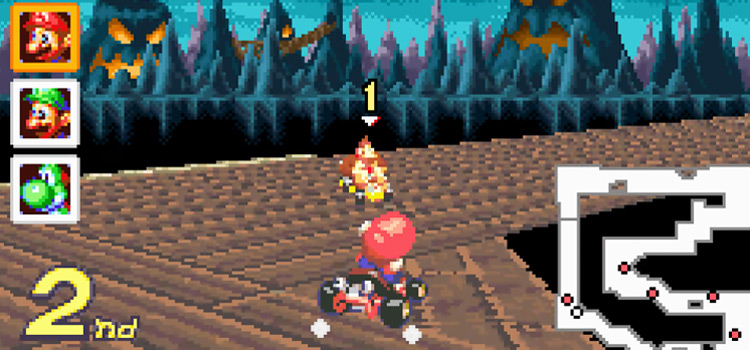
Sharing competitive games built countless elementary school friendships. Secret Mario Kart shortcuts sparked fierce neighborhood rivalries instantly. The television console thrived on physical proximity and extra controllers. You physically nudged friends to ruin their crucial lap times. The portable handheld relied heavily on physical wire link cables. Tripping over these plastic wires ruined many intense remote battles.
Networked Pockets via Android
Modern phones emulate these local link cables through wireless connections. You can race friends while waiting at the dental clinic. I desperately missed playing Mario Kart Super Circuit with friends. I no longer owned the original bulky plastic game cartridges. The complicated original link cables were completely lost to time. My friends lived hundreds of miles away now. Trading Pokémon originally required meeting your friends physically after school. You connected actual cords between your fragile handheld gaming devices. Mobile emulators handle this network trading effortlessly over active Wi Fi. Building your perfect team feels incredibly seamless and completely magical. Getting the Android version completely solved my intense multiplayer drought. I am finally able to replay these competitive tracks anywhere. Reliving these intense racing moments on my phone feels fantastic. The port preserves every single authentic banana peel spin out. Dozens of classic gamers have validated this excellent mobile port. The touchscreen steering clicks perfectly during my quick train rides. Play Mario Kart on Your Phone
The Final Verdict on Retro Portability
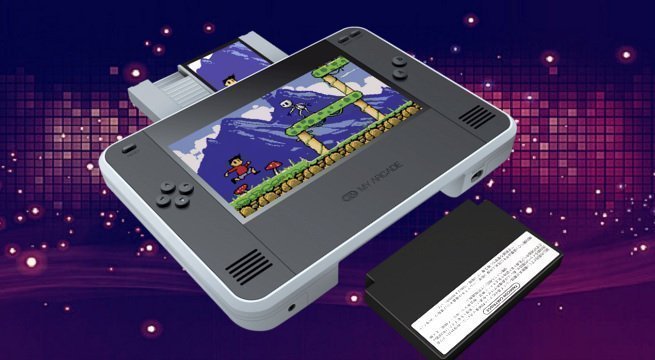
The original console delivers pure artistic intention fundamentally untouched. Every atmospheric soundtrack pulses beautifully through proper dual stereo speakers. You experience the exact moody lighting developers originally programmed. However the portable handheld reigns supreme for specific smartphone play. The simplified button layout reduces immediate touchscreen frustration immensely. Visual upgrades combat bright sunlight glare during random afternoon commutes. Adapting to virtual buttons requires significant initial patience regardless.
Building Your Pocket Arcade
Winning the GBA vs SNES mobile debate depends on user controls. Both systems deserve permanent spots on your Android device dashboard. Start your journey with bite sized handheld action platforming games. Slowly integrate deeper cinematic role playing titles later on. Master the simple four button layouts before attempting complex maneuvers. Connect a bluetooth gamepad for serious weekend gaming sessions eventually. Your pocket holds genuine interactive gaming history ready to explore. Rediscover your absolute favorite virtual childhood adventures today. Emulation brings our fondest living room memories anywhere we travel. Start building your perfect digital retro collection right now.


 Security verified