

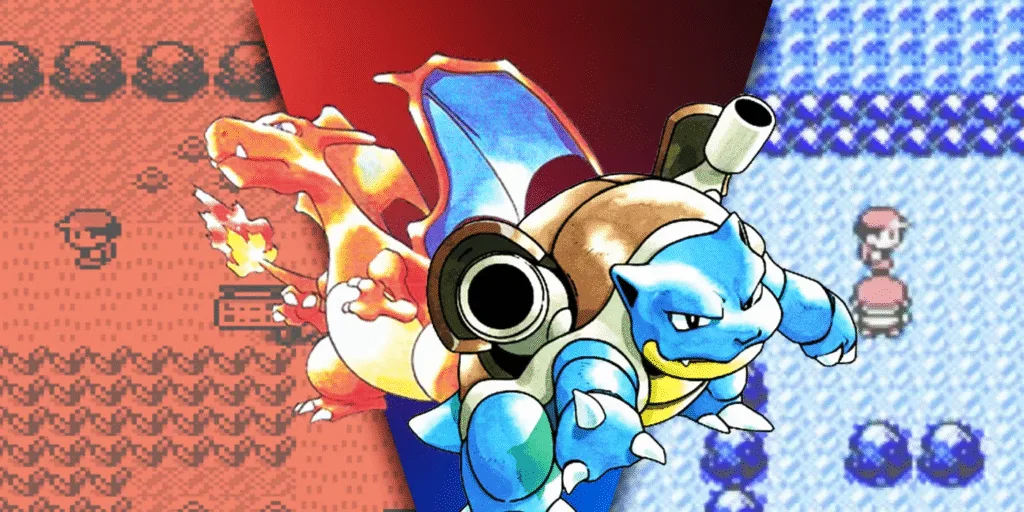
The original release of Pokémon Red, Blue, and Green (in Japan) marked the beginning of an unforgettable adventure, drawing players into a vibrant world filled with mysterious creatures and limitless possibilities. For many fans, these iconic Game Boy games remain a nostalgic cornerstone, igniting a lifelong love for the franchise. But when we set aside nostalgia and scrutinize the game through a more realistic lens, some cracks in plausibility begin to show—especially considering the ten-year-old protagonist embarking on such an epic journey. This article explores ten moments from the first-generation games that reveal what kids could realistically do in the world of Pokémon—and what they absolutely could not.
Despite being later reimagined and refined in remakes, the original titles’ quirks and contradictions only added to the legend of Red’s incredible journey. Let’s dive into the fascinating gray area between fantasy and believability in the Kanto region.
- Play Pokémon Red on your Android device with a simple APK.
- Play Pokémon Blue on your Android device with a simple APK.
5 Things Kids Could Realistically Do in Pokémon Red & Blue
1. Participate in the Celadon Game Corner’s Gambling

In a world where minors are free to roam unsupervised, it’s oddly fitting that a child could gamble in the Celadon Game Corner. While obviously illegal in real life, this activity fits within Kanto’s lax or corrupt societal norms. The Game Corner also doubles as a secret Team Rocket base, suggesting that the criminal group would have no issue profiting off young trainers. It paints a subtly darker picture of Kanto, where regulations are bent—or outright ignored—especially by those in power.
2. Briefly Ride a Bicycle Indoors

Although Professor Oak’s voice chimes in to scold trainers for biking indoors, the rule feels inconsistent. Physically, there’s no reason why someone couldn’t momentarily hop on a bike inside a large building. Especially given that players are allowed to use moves like “Dig” inside buildings—literally tearing up floors—it’s hard to justify banning indoor cycling purely on realism. This rule stands out more as a design limitation than a logical one.
3. Complete the Pokédex via Trading

The original catchphrase “Gotta Catch ‘Em All!” came with an important caveat: players couldn’t catch all 150 Pokémon in one version alone. Instead, Red and Blue encouraged trading with friends using the Game Link Cable, mirroring real-world collaboration. This made the goal of completing the Pokédex more realistic—not as a solo feat, but as a collective effort among trainers.
4. Get Stuck in a Soft-Lock Situation

Getting trapped in an unwinnable situation—whether due to poor planning, lack of items, or inaccessible areas—is frustrating but realistic. Much like how real-life goals can be derailed, a young trainer in the Pokémon world might also face challenges they simply can’t overcome. The soft-lock adds a dose of authenticity, reminding us that not every trainer becomes a Champion.
5. Access Off-Limits Grassy Patches (With Help)

Scattered around Kanto are patches of tall grass that appear inaccessible—like the one near Pallet Town. While the game’s engine blocks you from reaching them, it’s easy to imagine that in-universe, a Flying-type Pokémon could help a trainer access those areas. These barriers exist more due to programming limits than world-building, making them realistically surmountable within the lore.
5 Things Kids Couldn’t Realistically Do in Pokémon Red & Blue
6. Arbitrarily Rename Your Rival

One of the earliest player choices in the game—naming your rival—offers a humorous level of freedom, but it doesn’t hold up to logic. In reality, people have fixed names, and a child renaming a peer with something silly or random wouldn’t make sense. The original games take this choice seriously, even though it strains believability that Professor Oak would forget his own grandson’s name.
7. Use Glitches as Real-World Powers

Glitches like MissingNo., infinite items, or walking through walls are iconic parts of the Red and Blue experience. But these digital hiccups, while fun for players, would never exist in the actual Pokémon world. They’re programming bugs—not magical abilities—and thus completely break realism when imagined from the perspective of an in-universe trainer.
8. Fight with a Whip During Battles

Some early NPC trainers, like Bug Catchers or Team Rocket members, are seen with whips—implying they might use them in battle. While it adds an edgy aesthetic, using a whip goes against the entire Pokémon battling ethos. Battles are meant to test a trainer’s strategy and a Pokémon’s power, not involve physical coercion or abuse, making the presence of whips both unsettling and unrealistic.
9. Travel the Region Alone at Age Ten

Perhaps the biggest stretch in Red and Blue is the protagonist’s age. At just ten years old, Red sets off on a solo journey across a vast, often dangerous world filled with caves, criminals, and powerful creatures. Most real-world parents wouldn’t allow such an adventure without adult supervision, let alone formal training or education. Red’s independence is admirable, but wildly implausible.
10. Defeat an Entire Criminal Syndicate Alone

Red’s ability to single-handedly dismantle Team Rocket—an organized crime group with massive influence and resources—is one of the least believable parts of the game. In the real world, taking down such an operation would require coordinated law enforcement and strategy. That a lone child defeats Giovanni multiple times underscores how much the narrative relies on fantasy over plausibility.
Conclusion: The Enduring Appeal of Kanto’s Contradictions
Pokémon Red and Blue masterfully combined elements of realism with childlike fantasy, creating a world that felt both familiar and impossibly magical. While many aspects of Red’s journey defy logic, it’s exactly these contradictions that helped cement the original games as cultural touchstones. By embracing both the believable and the absurd, the first Pokémon titles crafted a lasting legacy—one that continues to inspire new generations of trainers, even as we look back with a more critical eye.
- Play Pokémon Red on your Android device with a simple APK.
- Play Pokémon Blue on your Android device with a simple APK.
RELATED ARTICLE :
Ultimate Guide to Cloning Items in Pokémon Red, Blue, and Yellow




 Security verified