
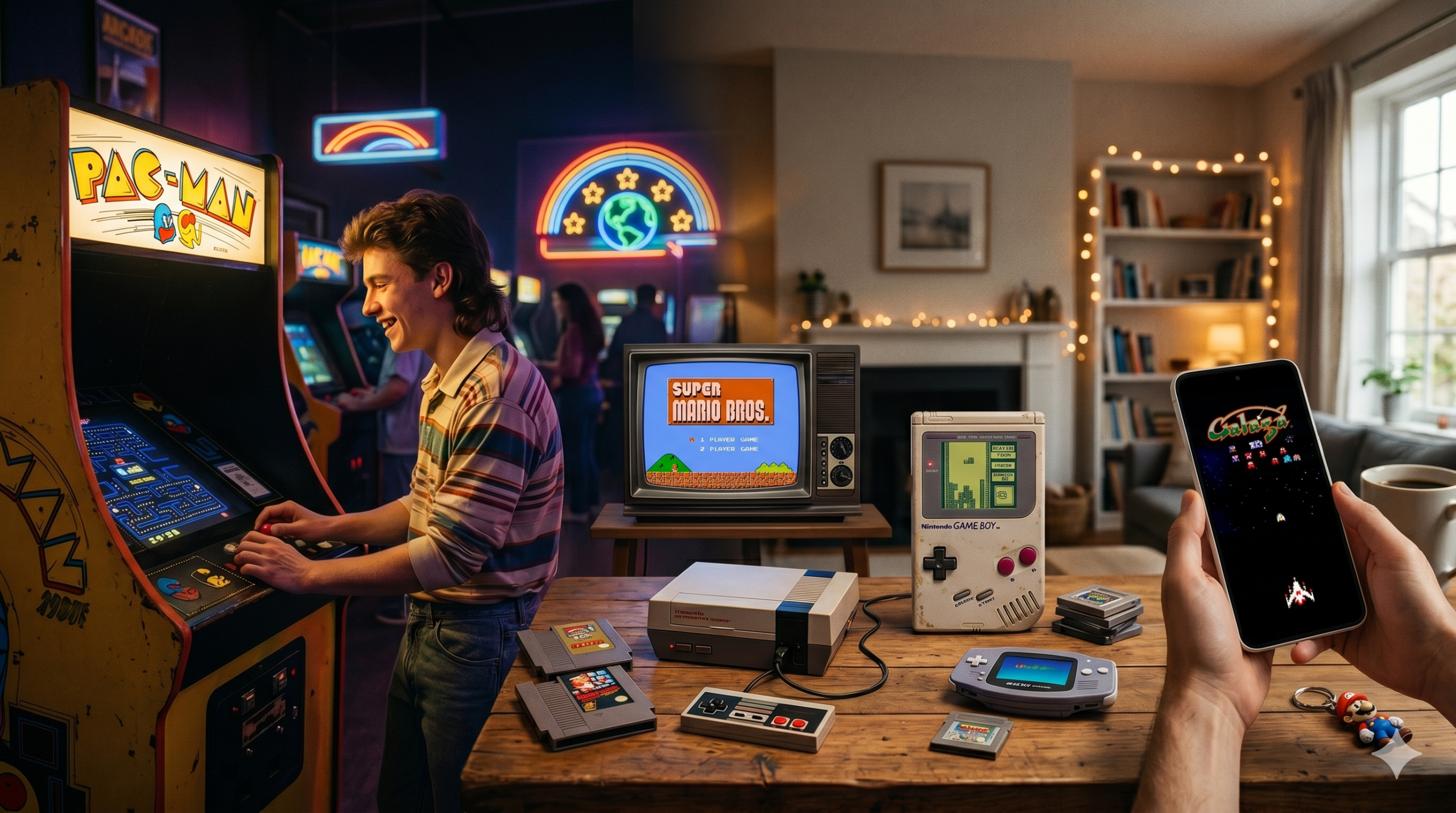
Picture a crowded arcade room back in 1981. The air smells strongly of cheap pizza. Neon screens flash brightly in the dark room. Quarters line the cold glass of a Pacman cabinet. Excited players gather closely around the wooden game machine. Nobody back then honestly foresaw the digital future. They never imagined this exact title surviving for decades. They never guessed it would sit in a billion pockets worldwide. This epic survival story defines true retro gaming history today. I vividly remember my own piece of that history.
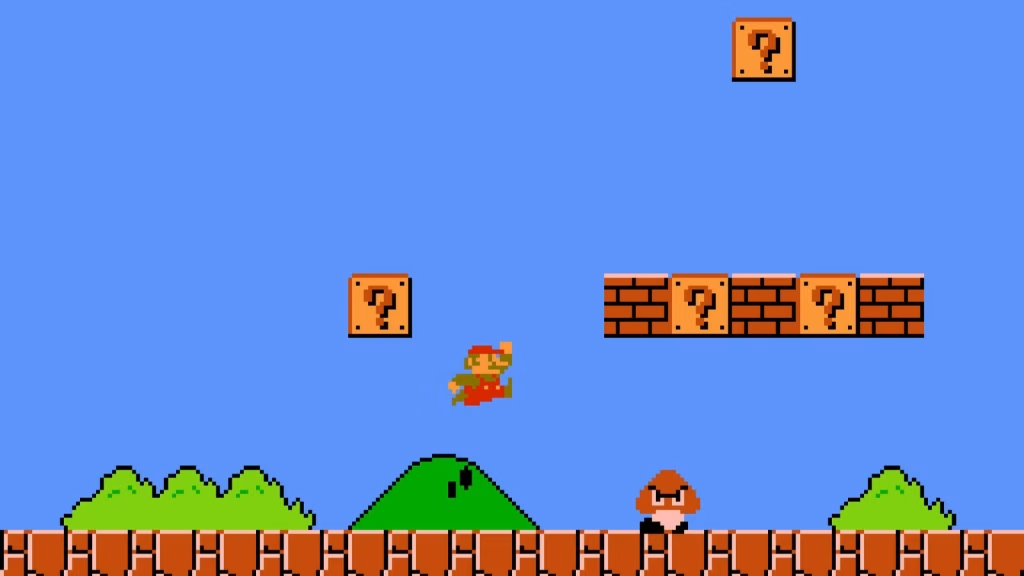
I was eight years old in 1988. I sat on our scratchy living room carpet. I stared blankly at the glowing television screen. Super Mario Bros felt completely unbeatable then. I reached World eight stage three again and again. Those relentless Hammer Brothers blocked my path every single time. Getting past them felt entirely impossible. My parents gave that classic system away years later. Those pixelated castles only existed in scattered fading memories. I spent decades wanting to finally conquer Bowser. I just lacked the retro hardware to do it.
That frustrating reality shifted entirely last Tuesday. I finally found a way to replay it portably. My morning train commute felt utterly surreal. I was replaying my childhood favorite right on my phone. The momentum of Mario sliding matched my memories perfectly. The frantic music sped up under one hundred seconds. Using convenient save states changed everything entirely. After three persistent mobile attempts I succeeded easily. I finally navigated the correct maze pipe sequence. I dropped Bowser directly into the bubbling lava. Arriving at my office victorious felt absolutely incredible. These classic victories fit perfectly into modern adult life.
Early Retro Gaming History Begins in the Arcade
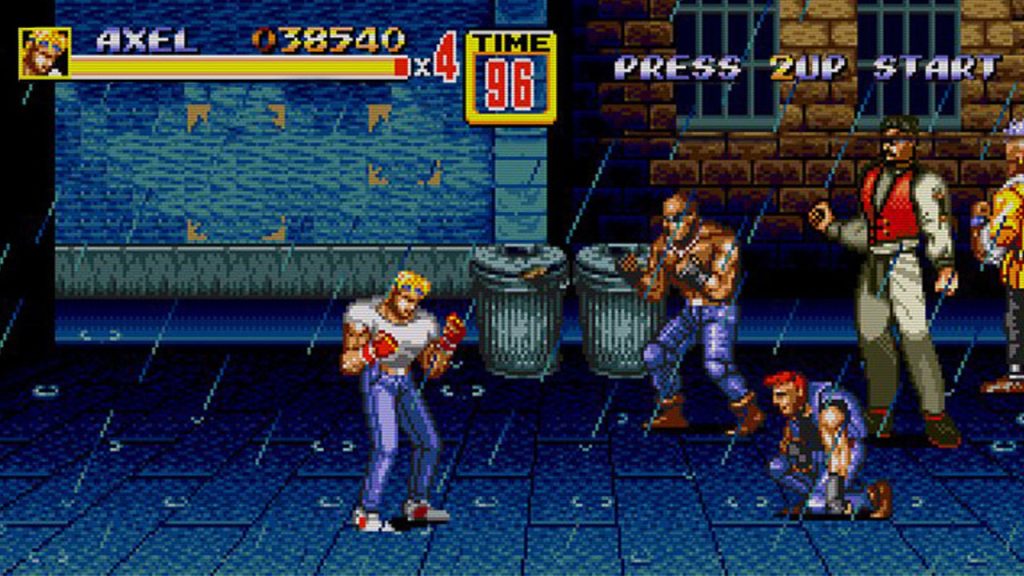
Gaming was initially born in loud public spaces. You did not own these digital experiences at home. You paid per life with heavy metal coins. Titles like Donkey Kong dominated the local scene. Space Invaders drew massive crowds every single day. These were intensely social events. They were never quiet or solitary experiences. The arcade functioned as the early internet. It became the ultimate place where everyone gathered.
Quarters and Fierce Rivalries
This golden era created the first true gaming culture. Intense local rivalries blossomed around digital high score tables. Players fought hard for three initials on a screen. People whispered tall tales about legendary local players. Someone always knew a kid who reached a crazy level. These rowdy spaces taught us how to play together. The arcade era laid a solid foundation for retro gaming history. It established community bonds we still recognize today.
The First Social Hub
You stood shoulder to shoulder with complete strangers. Watching an elite player conquer a tough stage was magical. The communal cheers sounded like a major spectator sport. We look back at these darkened rooms with deep reverence. They birthed a massive industry from blinking neon lights. Sticky carpets and glowing buttons created pure unadulterated magic. We miss that unique visceral atmosphere sometimes.
The Living Room Revolution Changes Retro Gaming History
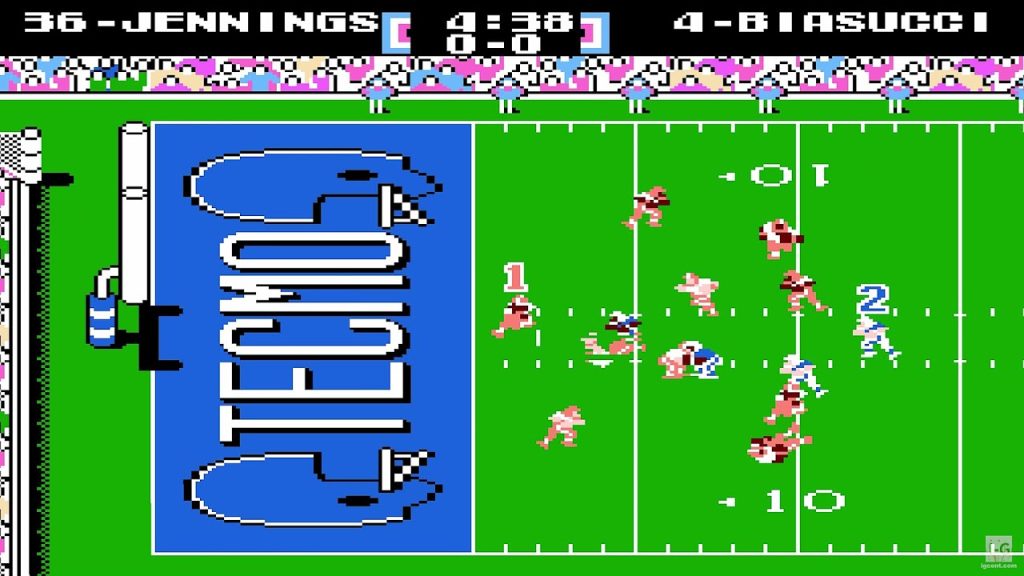
Then a bold company did something completely radical. They successfully put the noisy arcade into your quiet home. The Nintendo Entertainment System launched in 1985. This gray box changed global culture essentially overnight. Suddenly you owned the game cartridges outright. You could pause the intense action at any point. You could easily come back tomorrow to try again.
Consoles Change Everything
Super Mario cemented retro gaming history inside our homes. It made home gaming an ordinary household concept. This device birthed the first generation of true home players. You could comfortably invite a school friend over to play. Parents initially thought arcades were just a passing phase. Then they bought a family console for the television. Families bonded over exploring these strange new worlds. Neighborhood stores started renting out popular weekend titles.
A New Level of Depth
Playing at home allowed developers to create longer stories. Games no longer needed to steal your coins quickly. They offered sprawling worlds filled with hidden secrets. You could finally explore without a stressful ticking clock. This permanent shift altered retro gaming history forever. Learning complex level passwords became a crucial childhood skill. The familiar living room became our new digital battleground.
Portable Devices Push Retro Gaming History Forward
Then came a truly extraordinary engineering idea. What if you did not need a television screen? The original Game Boy launched globally in 1989. It looked exactly like a chunky gray brick. It featured a tiny green monochrome display screen. It was visibly underpowered compared to rival living room systems. That slight technical weakness did not actually matter.
A Gray Brick Wins Minds
The addictive puzzle game Tetris came bundled with it. The entire world absolutely lost its collective mind. For the first time ever gaming fit inside a backpack. Portable devices pushed retro gaming history into our pockets. You could officially play during incredibly long car rides. You could stealthily hide it under your desk at school. We constantly hunted for fresh disposable AA batteries.
Adding Vibrant Colors
The portable hardware evolved beautifully over time. The Game Boy Color added much needed visual vibrancy. The Game Boy Advance delivered spectacular colorful graphics. It functioned exactly like a portable Super Nintendo system. An entire generation grew up playing these addictive handheld devices. They often slept with a system under their pillow. Trading virtual monsters via link cables became a massive phenomenon. This complete freedom of movement changed retro gaming history completely.
Retro Gaming History Survives the Dark Years
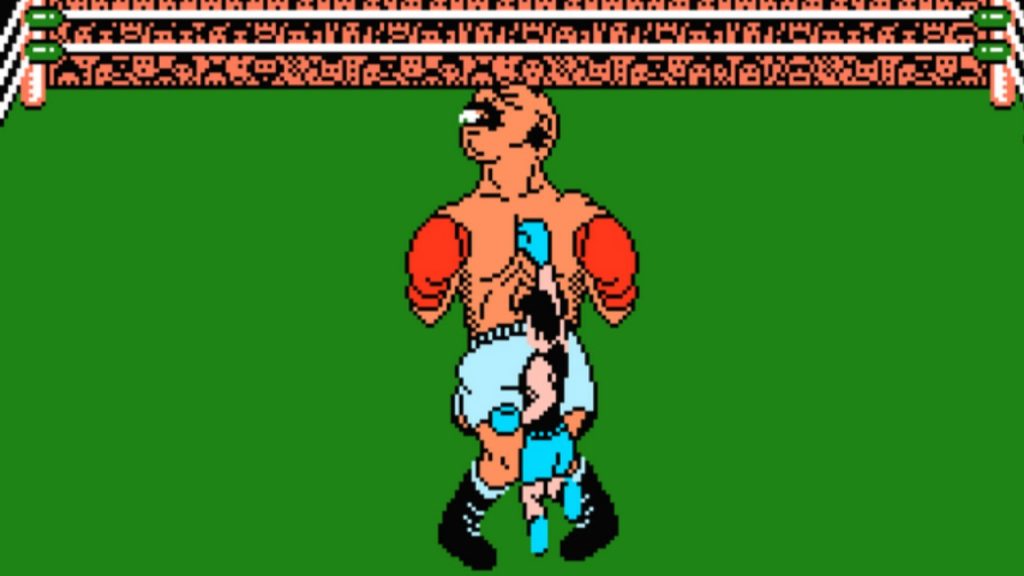
Then something very strange happened to the market. The industry sprinted blindly forward toward realistic polygon graphics. New domestic consoles dominated gaming conversations everywhere. Developers chased online multiplayer modes and massive open worlds. The beloved old consoles got packed into dusty attic boxes. Early three dimensional formats replaced pristine sprite art.
Next Generation Discards the Past
Plastic game cartridges got donated to local thrift stores. Classic formats felt suddenly entirely obsolete overnight. For about a decade retro titles almost vanished entirely. They fell completely out of mainstream modern pop culture. The physical plastic hardware aged and slowly degraded. The heavy classic televisions were hauled off to the dump. Modern wide displays made old games look terribly blurry.
A Fading Legacy
Nobody printed new physical software for these classic systems anymore. It looked like these brilliant games might be lost forever. Internal memory batteries inside older cartridges simply died completely. Save files containing cherished childhood memories vanished into thin air. Modern players seemed entirely focused on the newest blockbuster release. The deep foundations of retro gaming history faced true extinction. We nearly lost an entire cultural era of art.
True Retro Gaming History Ignites a Massive Comeback
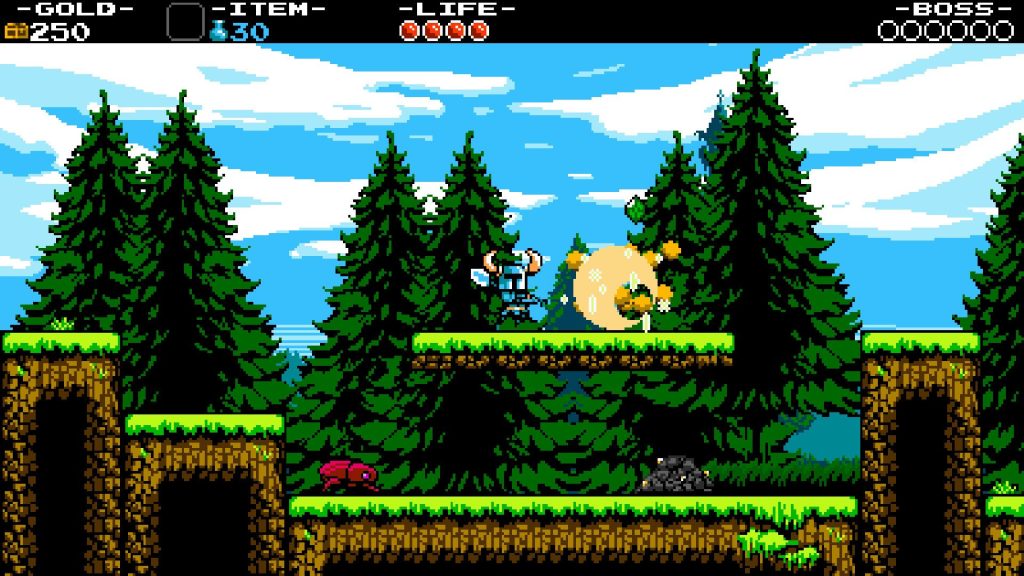
But then something entirely unexpected occurred recently. The generation that grew up on those games matured quickly. We became adults holding disposable income and powerful smartphones. True retro gaming history absolutely survived this dark period. Classic concepts exploded wildly back into the cultural mainstream. Miniature classic console revivals sold out rapidly everywhere.
Adults Want Their Childhoods Back
Skilled speedrunning communities built massive online streaming audiences globally. Millions eagerly watched expert players conquer beloved older software. But physical hardware limitations still severely frustrated ordinary nostalgic fans. You had to hunt internet auctions for incredibly rare cartridges. Paying hundreds of dollars for an old game felt outrageous. Finding bulky old televisions to avoid hardware lag was highly annoying. We strongly craved the simple brilliant dopamine of our youth. We just wanted an easier digital access method.
Finding the Ultimate Pocket Solution
Then brilliant mobile software quietly solved the biggest historical problem. True permanent accessibility became entirely possible through modern phones. You safely need no fragile plastic game cartridges today. You definitely need no bulky older consoles cluttering your shelf. I wanted to replay these older digital hits for years. I simply lacked the dedicated retro game room space. This convenient Android port brings the complete classic experience back. It beautifully thoroughly preserves original jumping physics and classic sounds. Play Super Mario Bros on Your Phone. Having this authentic digital version securely in my pocket is phenomenal. It turns tedious waiting room visits into thrilling nostalgia trips. True classic fans validate this modern portable access method daily. Using strategic save states removes artificial old difficulty spikes entirely. Reclaiming your personal piece of retro gaming history takes just moments now.
Retro Gaming History Proves We Are Still Playing
The beautiful long survival story of classic gaming holds reality. It clearly reveals exactly what makes interactive digital entertainment matter today. It was never truly about realistic textures or complex graphics. It was never about possessing the fastest processing computer chips. It was always strictly about the core gameplay mechanical loop.
The Magic Never Expires
It was always about that remarkably pure underlying interactive feeling. We cherish tight original analog controls and extremely catchy music. We vividly remember who sat beside us during that first playthrough. That magical nostalgic feeling simply does not properly expire over time. Modern mobile platforms ensure these pristine memories easily outlive their original plastics. Anyone currently holding a typical smartphone can access that youthful joy. Great original artistic design easily perfectly survives advancing hardware generations. The survival story of retro gaming history holds undeniable reality.
Stepping Back in Time
You can happily walk right back into that bustling virtual arcade. You can successfully revisit that vibrant living room environment instantly. You can easily return to your cozy childhood bedroom whenever you wish. The innocent magic of pixelated retro digital adventures remains completely alive. It just gracefully beautifully evolved to fit perfectly into your modern pocket. Defying awful game over screens is what classic heroes always do best. This clearly proves retro gaming history remains completely vibrantly alive today.




 Security verified