
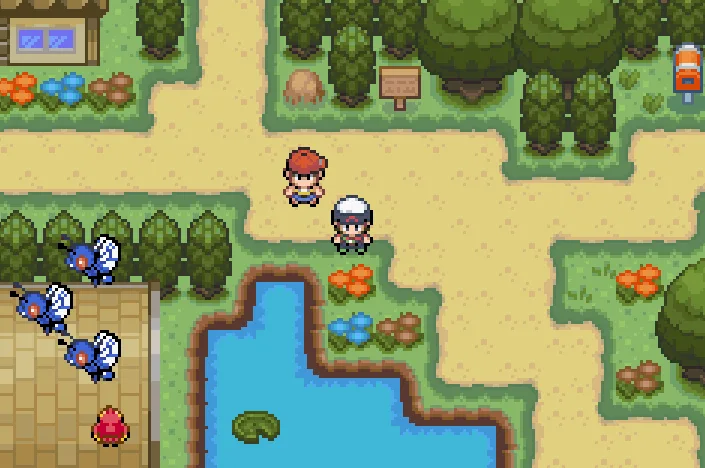
The third generation of Pokémon games brought fans to the vibrant Hoenn region through three iconic titles: Pokémon Ruby, Sapphire, and Emerald. Each game offers a unique experience, from different villains and legendary encounters to upgraded post-game content. Whether you’re a returning fan or diving in for the first time, this guide breaks down the key differences and features of each version to help you decide which one fits your playstyle best.
- Play Pokémon Ruby for Android APK
- Play Pokémon Sapphire for Android APK
- Pokémon Emerald : Play Game for Android APK
Choosing Between Ruby and Sapphire
Same Storyline, Different Perspective
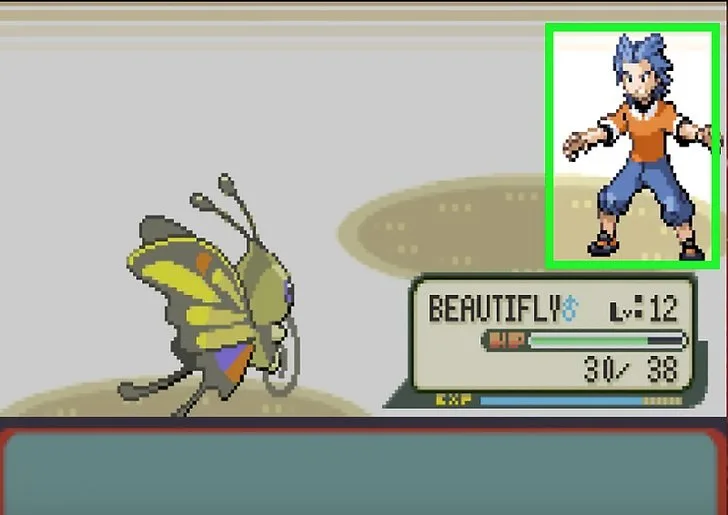
Both Ruby and Sapphire follow a nearly identical storyline: you play as an aspiring Pokémon Trainer aiming to defeat the eight Hoenn Gym Leaders, conquer the Elite Four, and become the region’s Champion. The key divergence lies in the villainous teams—Team Magma in Ruby wants to expand the land by awakening Groudon, while Team Aqua in Sapphire aims to flood the world using Kyogre. Your choice impacts which Legendary you face and the environmental cutscenes you witness.
Version-Exclusive Legendary Pokémon
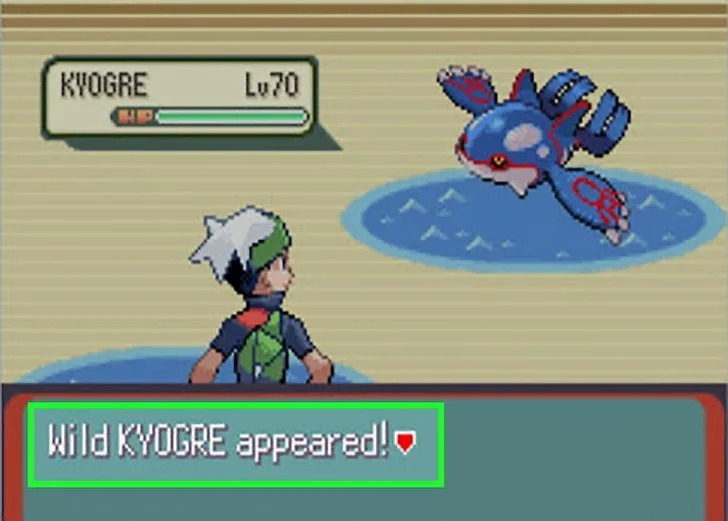
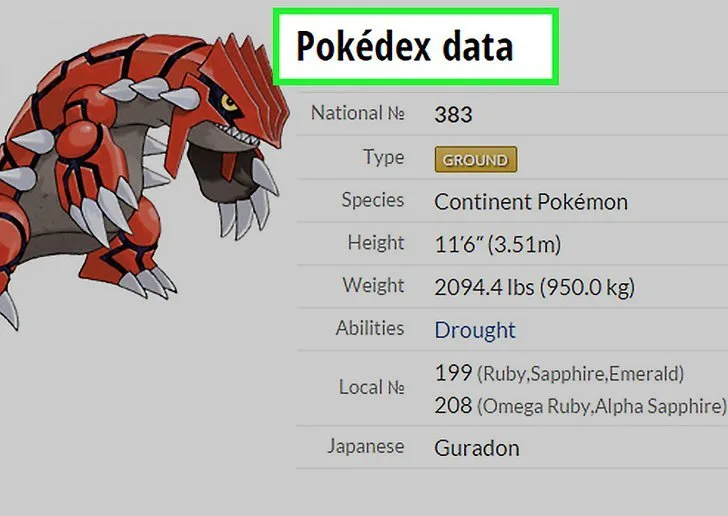
Each game offers a unique Legendary Pokémon: Ruby players can catch Groudon (Ground-type), while Sapphire users encounter Kyogre (Water-type). Neither Legendary is accessible in the opposite version. However, both games allow players to capture other key Legendaries, including Rayquaza, Regirock, Regice, and Registeel. Additionally, Latios is exclusive to Ruby, while Latias is exclusive to Sapphire.
National Pokédex Limitations
Ruby and Sapphire do not provide in-game access to the National Pokédex. To unlock it, you must trade with players who own Pokémon FireRed or LeafGreen. Once a successful trade occurs, your Pokédex will be upgraded to include Pokémon from generations 1 and 2.
Game-Specific Pokémon
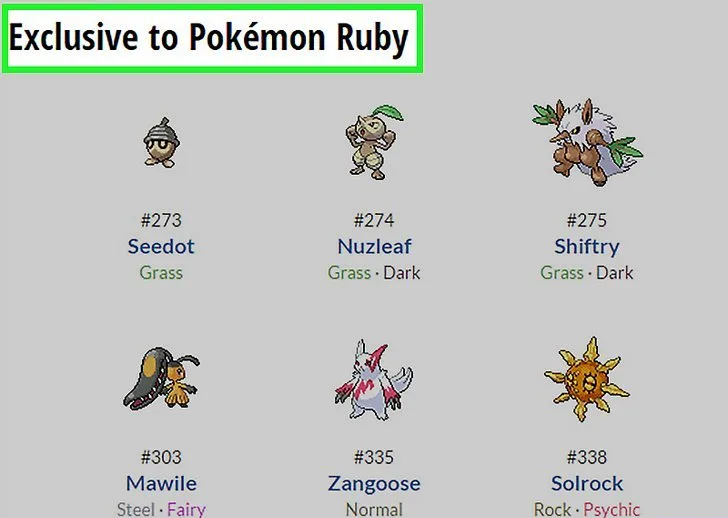
Like most paired Pokémon releases, each title contains exclusive Pokémon unavailable in the counterpart version. In Ruby, you’ll find Pokémon such as Seedot, Mawile, and Zangoose, while Sapphire offers Lotad, Sableye, and Seviper. This encourages trading between versions to complete your Pokédex.
Battle Tower Experience
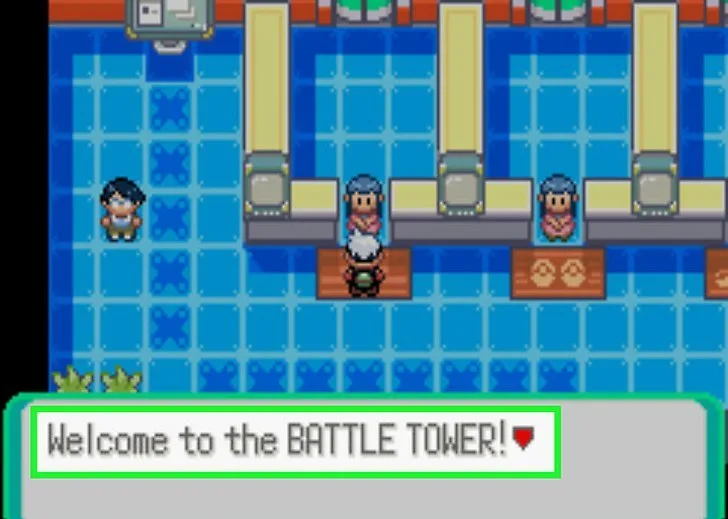
Ruby and Sapphire both offer a post-game facility known as the Battle Tower. Accessible via boat near Route 130, the Battle Tower lets players fight through endless rounds of trainer battles. The longer your win streak, the better the rewards you can earn, offering extended play beyond the main storyline.
Why Choose Pokémon Emerald?
A Revamped and Expanded Storyline
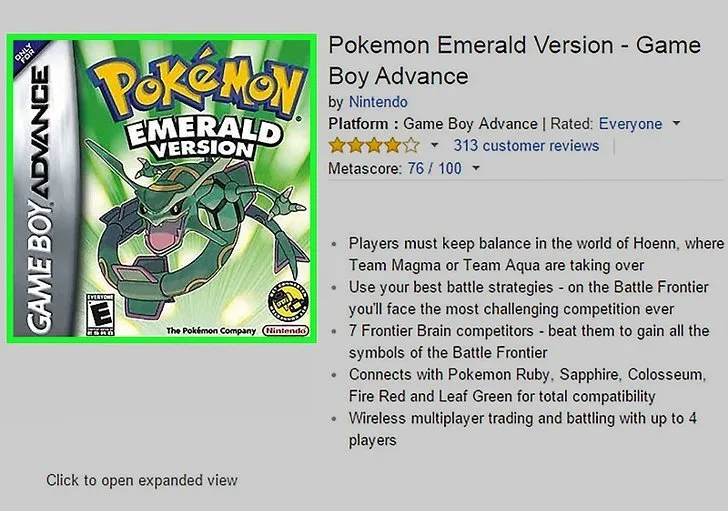
Pokémon Emerald enhances the Hoenn experience by combining elements from both Ruby and Sapphire. In Emerald, both Team Magma and Team Aqua clash, awakening Groudon and Kyogre simultaneously. To restore balance, you must seek out Rayquaza, who ultimately calms the chaos. This added narrative depth makes Emerald’s story more dynamic and memorable.
All Major Legendaries in One Game
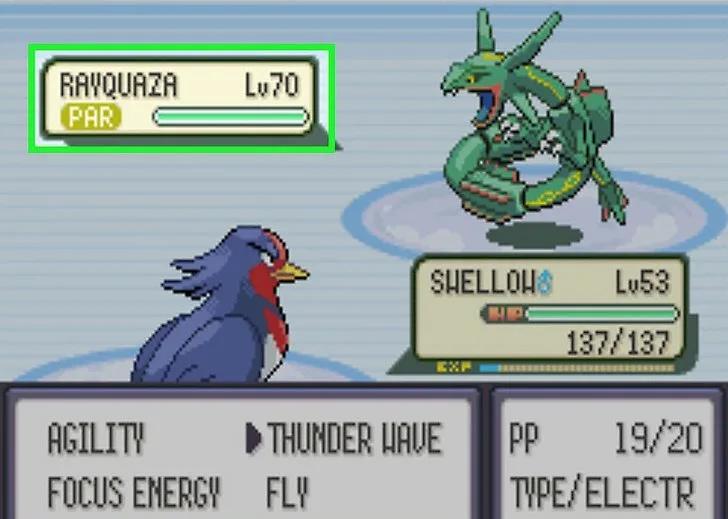
One of Emerald’s biggest advantages is access to more Legendary Pokémon. You can catch Groudon, Kyogre, and Rayquaza in a single playthrough. You’ll also encounter the three Regi Pokémon and get to choose between Latios or Latias after beating the game. Other Legendaries like Deoxys, Mew, Ho-Oh, and Lugia require special event tickets—no longer officially distributed, but sometimes found through online communities and hardware services.
In-Game National Pokédex Upgrade
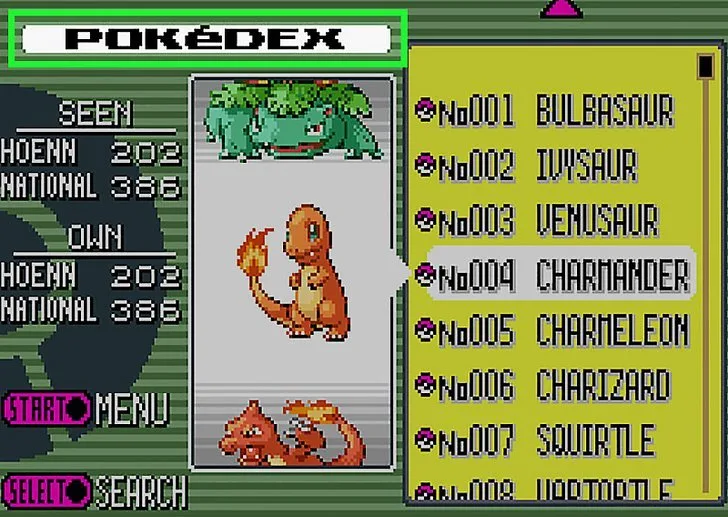
Unlike Ruby and Sapphire, Pokémon Emerald lets you unlock the National Pokédex after completing the main story. Once you become Champion and revisit Professor Birch, he’ll upgrade your Pokédex, allowing you to log Pokémon from previous generations. To actually catch or trade for them, though, you’ll still need FireRed, LeafGreen, or compatible GBA games.
Revised Regional Pokédex
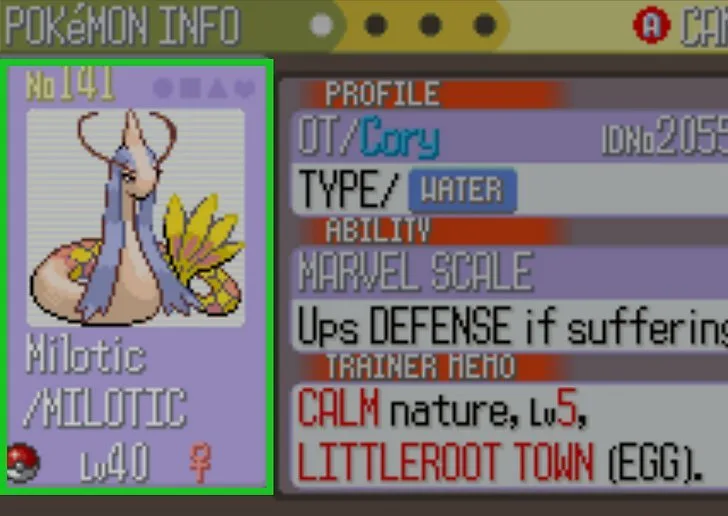
Emerald omits some Pokémon found in Ruby and Sapphire, such as Zangoose, Lunatone, and Roselia, while offering new combinations of others. After fully completing the Hoenn Pokédex (excluding event Legendaries), Professor Birch rewards you with a Johto starter—Chikorita, Cyndaquil, or Totodile.
Battle Frontier: The Ultimate Post-Game
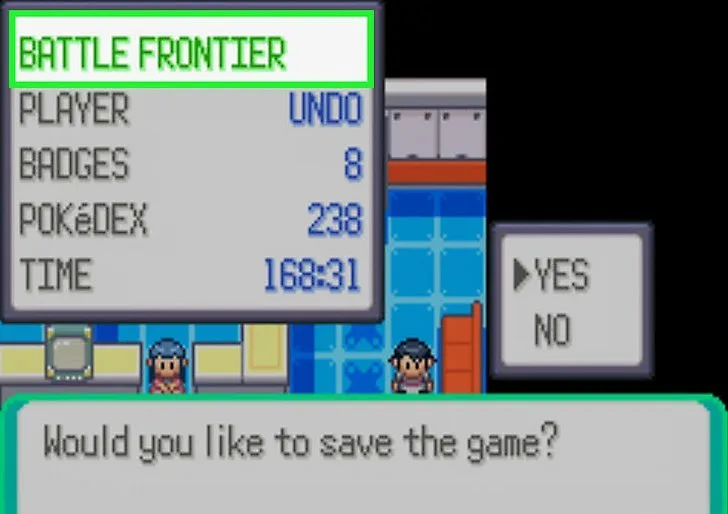
Pokémon Emerald introduces the Battle Frontier, replacing the Battle Tower. This multi-facility zone challenges players with seven unique battle styles and formats. By winning battles, you earn Battle Points (BP), which can be exchanged for rare items, move tutor services, and decorative accessories. The Battle Frontier is a defining feature of Emerald and beloved by fans for its complexity and difficulty.
Gym Leader Rematches
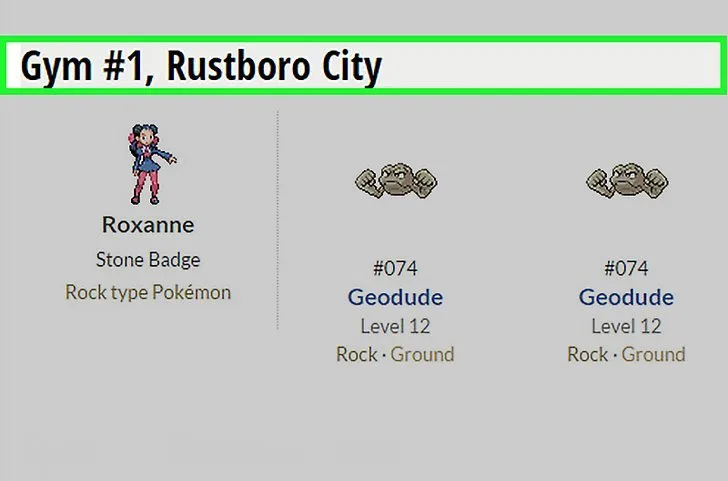
In a feature exclusive to Emerald, you can re-battle Gym Leaders after certain milestones. These rematches don’t happen automatically, but every 60 wild Pokémon battles, 20 Battle Frontier matches, or 20 trainer fights gives you a 31% chance of unlocking a Gym Leader rematch. Their teams are stronger and more diverse, adding great replay value.
Increased Difficulty
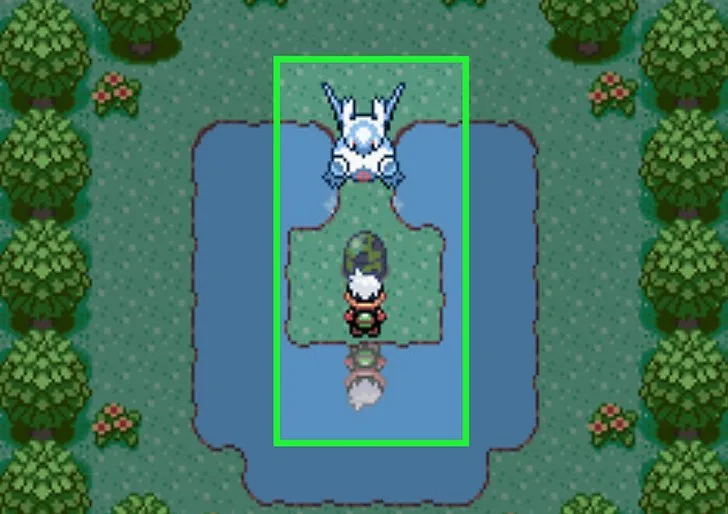
Many seasoned players consider Pokémon Emerald the most challenging Gen 3 game. Trainer AI is more advanced, and the Battle Frontier is infamously tough. If you’re seeking a harder experience that tests your team-building and battling skills, Emerald is the definitive version for competitive gameplay.
Final Thoughts: Which Version Should You Choose?
Each game in the Hoenn trilogy has its charm. Choose Ruby if you prefer land-centric themes and Groudon, or go with Sapphire for water-based lore and Kyogre. But if you’re looking for the most comprehensive and rewarding adventure—with enhanced storylines, more Legendaries, and a deep post-game—Pokémon Emerald stands out as the best choice.
Whichever you pick, you’re in for a nostalgic and thrilling journey through Hoenn!
- Play Pokémon Ruby for Android APK
- Play Pokémon Sapphire for Android APK
- Pokémon Emerald : Play Game for Android APK
RELATED ARTICLE :
How to Get a Great Team to Beat the Elite Four (Pokémon Ruby)



 Security verified